
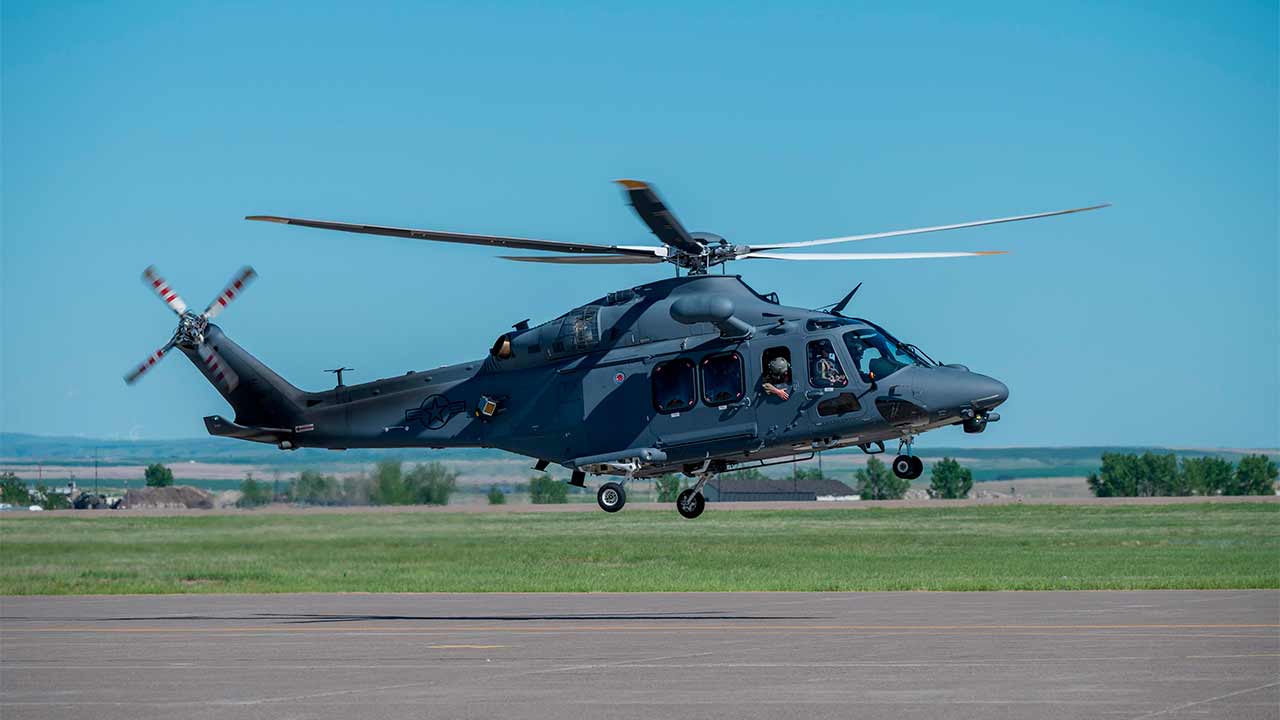
The United States Air Force has announced the successful completion of the final operational test of the MH-139A Grey Wolf helicopter, a milestone that authorizes the transition of the aircraft to full-rate production.
After six months of rigorous evaluations, the platform was approved in terms of operational effectiveness, maintenance, and suitability for strategic missions.
+ Hyundai unveils IONIQ 9 SUV adapted as a mobile drone base
The MH-139A Grey Wolf, developed by Boeing based on the civilian Leonardo AW139 helicopter, was designed to replace the veteran UH-1N Huey, which has been in service for decades. The new aircraft features significant improvements: it is 50% faster, has 50% more range, 30% more internal space, and supports an additional payload of 2,270 kg.
+ Video: U.S. Air Force receives first MH-139A Grey Wolf helicopter
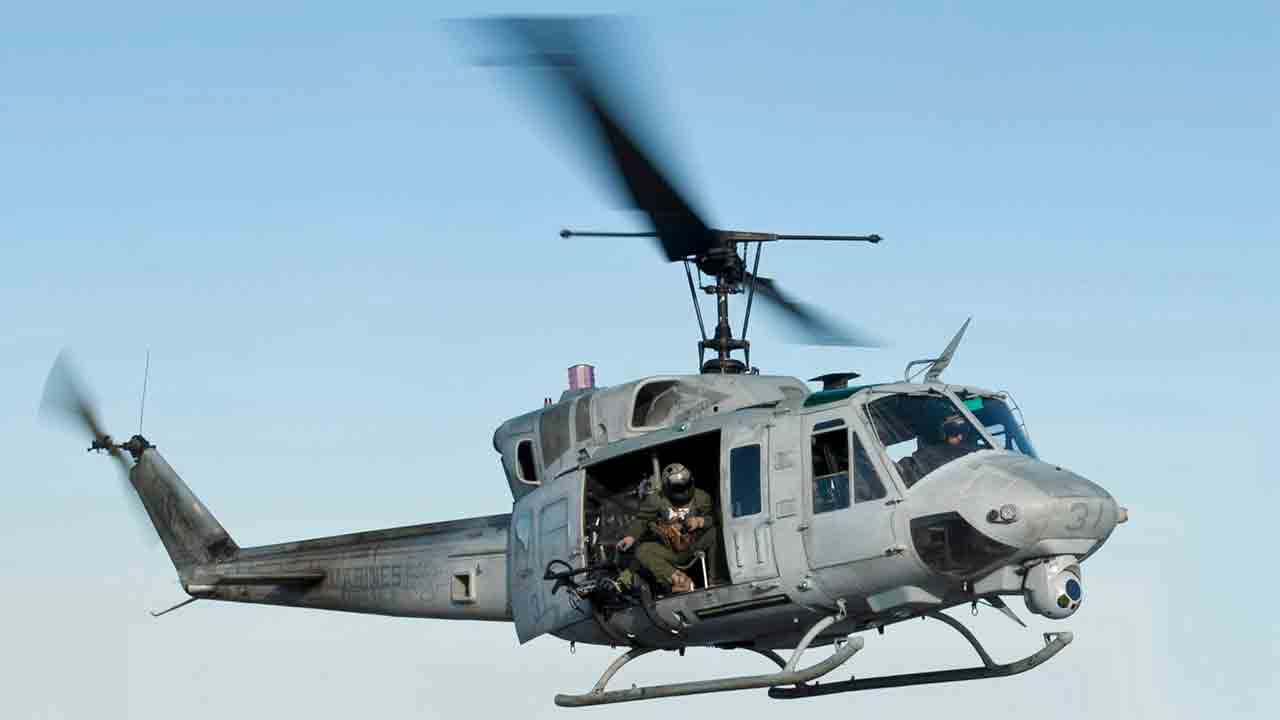
Critical Mission: Nuclear Missile Protection
The primary role of the Grey Wolf will be to protect the ground infrastructure of intercontinental ballistic missiles Minuteman III LGM-30, including patrols, response to security breaches, and rapid transport of tactical teams. During testing, the helicopter demonstrated full capability to integrate with existing missile defense protocols.
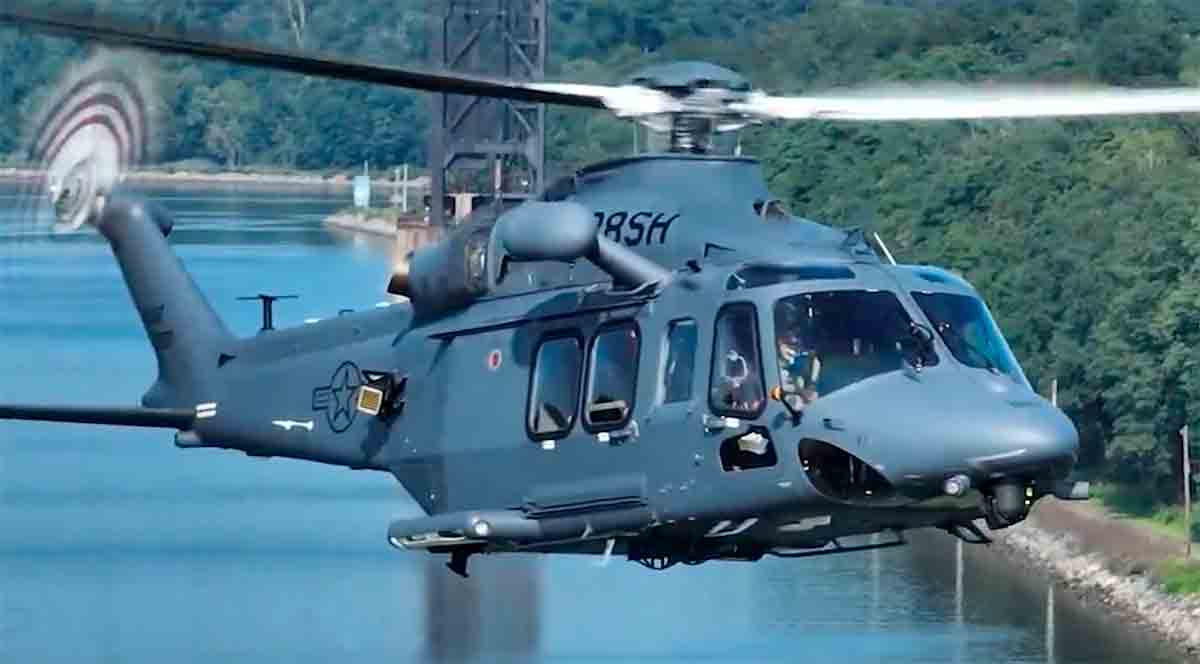
In addition to its transport capabilities, the MH-139A is equipped with modern avionics systems, fully automated flight control, ballistic armor, crash-resistant fuel tanks, missile warning sensors, electronic countermeasures, and two external M240 machine guns.
Procurement Plan Calls for 84 Units
The Grey Wolf procurement began in 2018 with an initial $285 million contract for 13 aircraft (LRIP Lot 1), followed by a second lot of another 13 units. In 2024, a new $178 million contract added 7 more helicopters, bringing the total ordered to 33 units so far.
The final plan includes the delivery of 84 helicopters, with a total estimated cost of $2.38 billion. Full-scale production represents a major step in modernizing the U.S. Air Force’s aerial capability for nuclear security missions and other strategic operations.
Source and images: Boeing | X @BoeingDefense. This content was created with the help of AI and reviewed by the editorial team.
